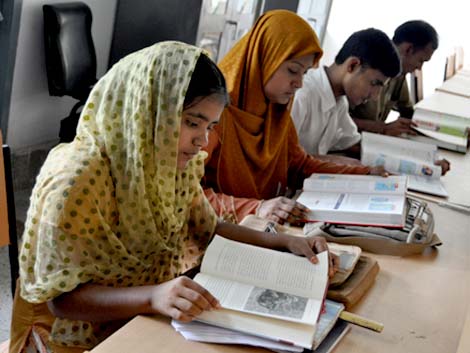
Gender equality and sustainable development

Charting the rationale and the actions necessary to ensure ground-breaking change, this flagship UN study asserts that any comprehensive sustainable development pathway cannot be achieved without an explicit commitment to gender equality, women's rights and their empowerment.

“El TDAH no existe, y la medicación no es un tratamiento, sino un dopaje”

“No existe. El TDAH es un diagnóstico que carece de entidad clínica, y la medicación, lejos de ser propiamente un tratamiento es, en realidad, un dopaje”. Esta es la sentencia de Marino Pérez, especialista en Psicología Clínica y catedrático de Psicopatología y Técnicas de Intervención en la Universidad de Oviedo, además de coautor, junto a Fernando García de Vinuesa y Héctor González Pardo de ‘Volviendo a la normalidad’.

La familia sostenible, clave para el desarrollo social

¿Podrá nuestra sociedad cambiante e intercultural llegar a algunos acuerdos sobre el futuro de la familia y determinar qué políticas públicas convienen más, sin partir de convicciones religiosas o ideológicas? Los autores narran algunos resultados de un proyecto de investigación de la Unión Europea, avalado por la ONU, en el que participan destacadas universidades e institutos de 15 países.

The Advantages of Demographic Change after the Wave

Around the world, people are living longer and having fewer children, leading to a population that is older, on average, than in the past. Most academic discussion of this trend has so far focused on potential problems it creates, including challenges to pension systems, economic growth, and healthcare costs. But according to this study, population aging and the compositional change that go along with it—such as increasing education levels—may turn out to have many positive impacts for society.